Sustainable poultry production: The role of solar energy in climate change Mitigation in poultry production
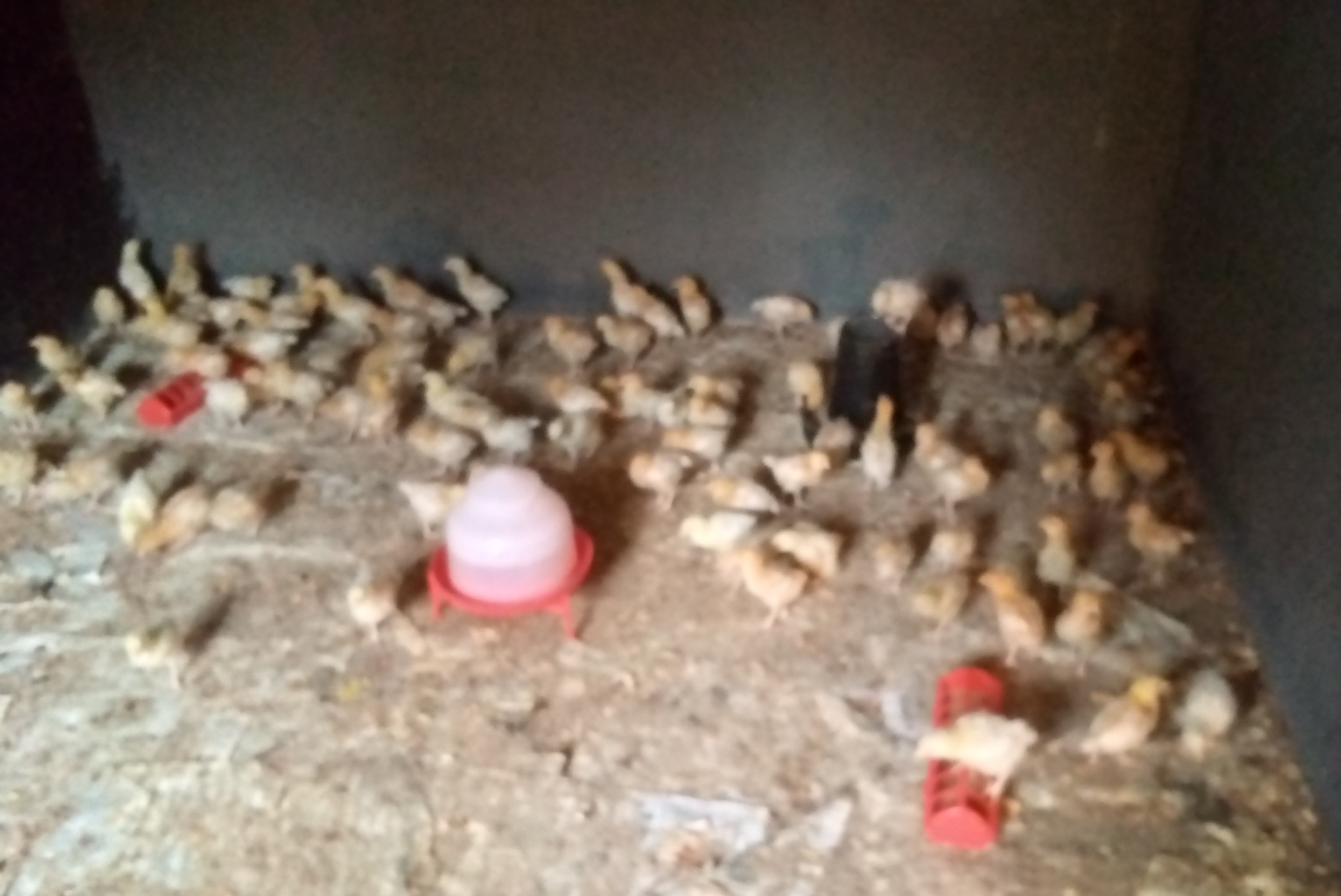
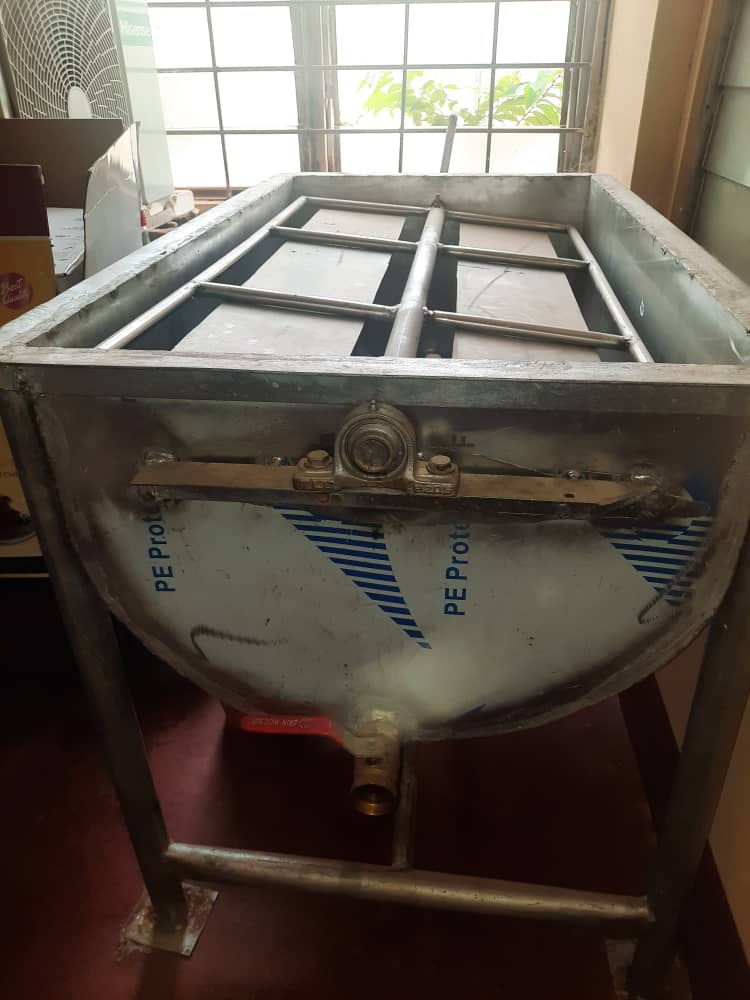
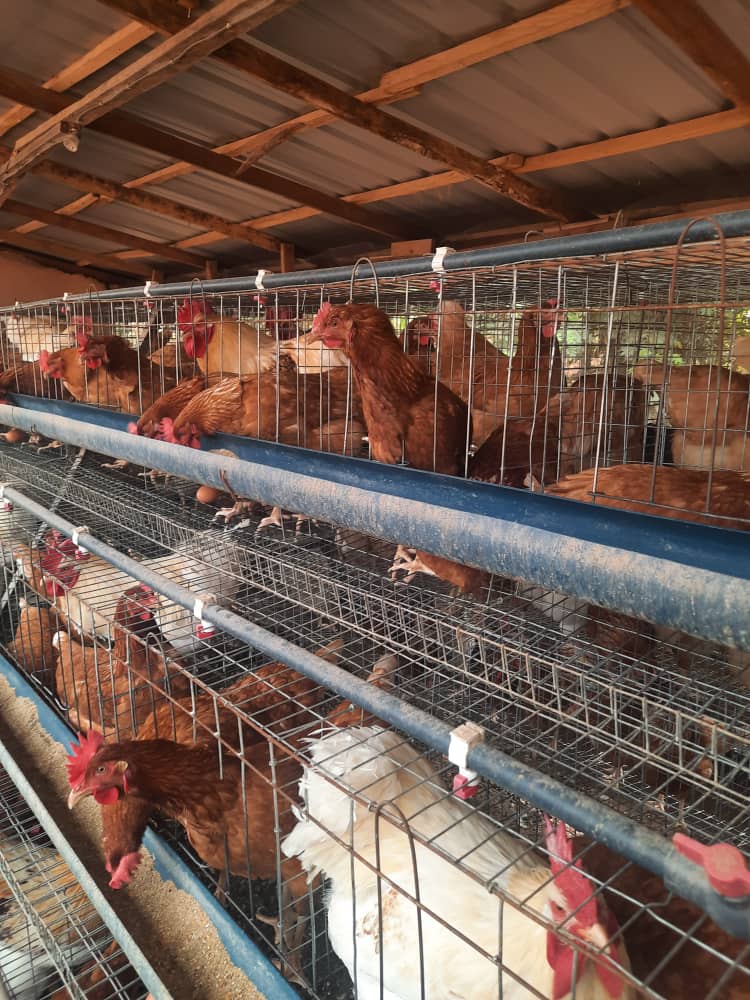
<html> <head> <title></title> </head> <body> <p>The increasing demand of poultry products driven by population explosion, urbanization and rising incomes in the developing countries requires concerted efforts towards meeting the present-day poultry demand. The discrepancy between production and consumption has driven demand for poultry meat from 69 million metric tons in 2001 to about 128 million metric tons in 2021. This represents about 86-percent increase at global consumption within the period, an indicative of intensified production techniques. Presently, local production of poultry only meets about 30% of the total demand for poultry eggs and meat in Nigeria. Increment in demand and production methods however comes with a significant number of environmental consequences. Poultry production and the by- products are linked to carbon dioxide (CO2 ), ammonia (NH3 ), nitrous oxide (N2O) and methane (CH4 ) gas emissions.</p> <p>These have great environmental impact that contribute to overall greenhouse gas (GHG) emission as well as grave consequences to animal and human health. The present methods by which poultry farmers engage the use of conventional methods of heat supply in poultry production operations through the use of fossil fuels, grid power and gas systems also add to carbon footprint and result to low profit margin. Grid power and gas could be clean but they could also be out of reach to local poultry farmers. The impact of fossil fuel utilization in poultry production and its volatility on environment could be very severe to include air pollution, environmental degradation and contribution to overall global warming. Understanding the socio-economic benefits of solar energy applications in poultry production is therefore vital for profitable, successful production and safe environment.</p> <p>Solar energy has a wide spread applications in poultry production including in brooding of day-old chicks, poultry egg incubation and manure drying and also for lighting purposes. Its application in poultry production systems is not common among poultry farmers more especially in the developing countries. Solar energy in poultry production offers clean, sustainable and environmentally friendly energy source. This paper discusses the socio-economic importance of using solar energy in poultry production. It highlights practical years of research experience of using solar energy in poultry production in Nigeria. Transiting from fossil fuel-based systems to solar energy powered poultry production systems can help address major socio-economic and environmental challenges facing poultry farmers especially in the rural areas.</p> <p><a href="http://okonkwowilfred.com/uploads/World_environment_day_virtual_conference.pdf">Click here to download</a></p> </body> </html>

0 comments